
Seaweed Value Chain: From Farming to Market Opportunities
From biomass to high-value applications.
What is the seaweed value chain?
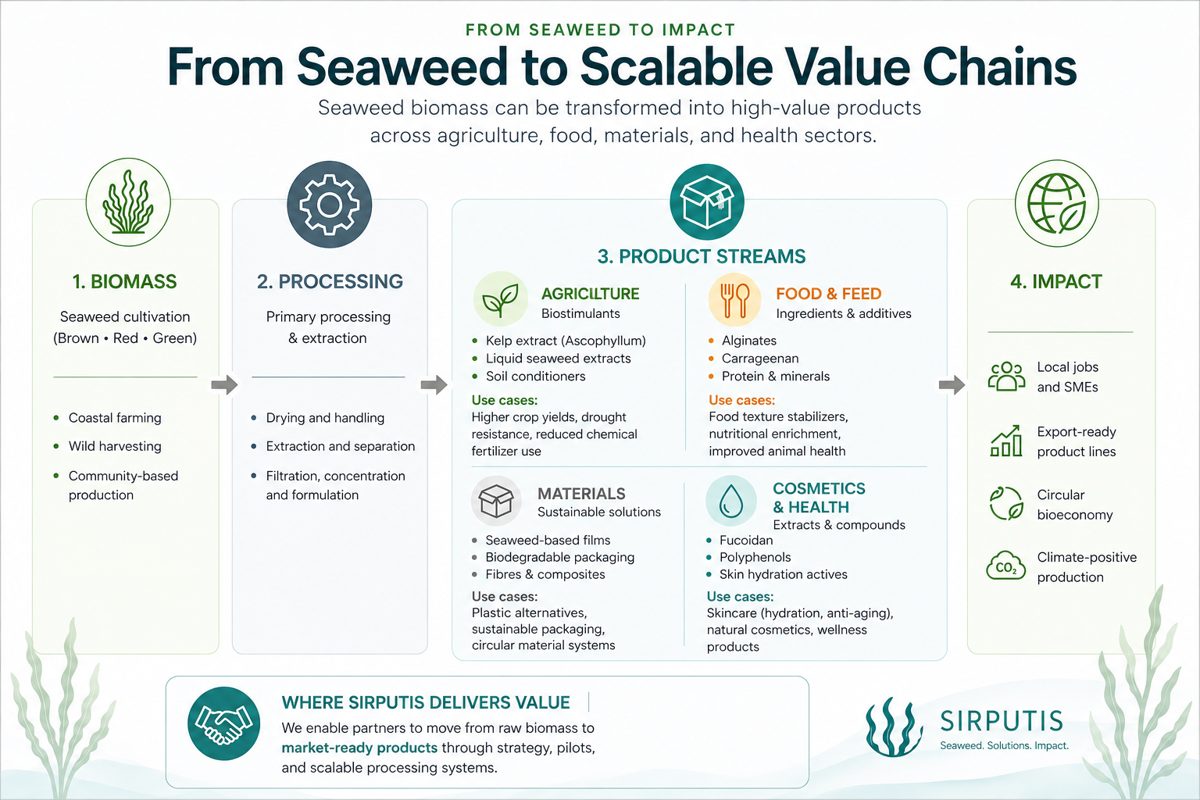
The seaweed value chain describes the journey from raw marine biomass to high-value products used across multiple industries. It connects cultivation, processing, product development, and market applications into a scalable system that creates both economic and environmental value.
As global demand for sustainable materials, food ingredients, and bio-based solutions grows, seaweed is emerging as a key resource in the blue economy. This page explains how the seaweed industry works and where the biggest opportunities lie for both producers and investors.
Seaweed biomass production
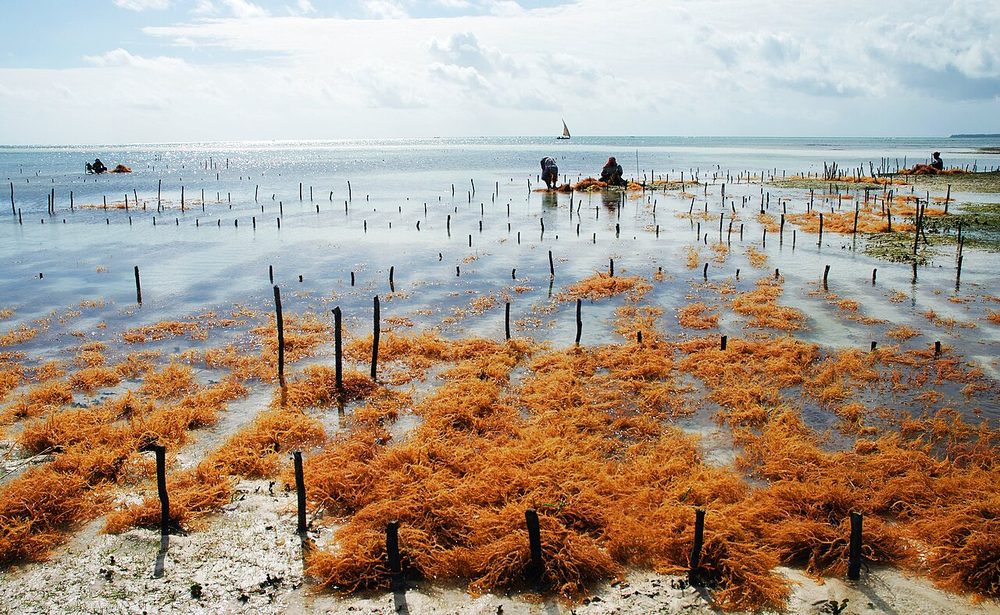
The first step in the seaweed value chain is biomass production. This includes cultivating or harvesting marine algae such as brown, red, and green seaweed species.
Seaweed farming is typically carried out in coastal environments using low-input methods that do not require freshwater, fertilizers, or arable land. In addition to farming, wild harvesting and community-based production models also contribute to supply.
This stage is critical because biomass quality directly affects downstream processing efficiency and final product value.
Processing and extraction
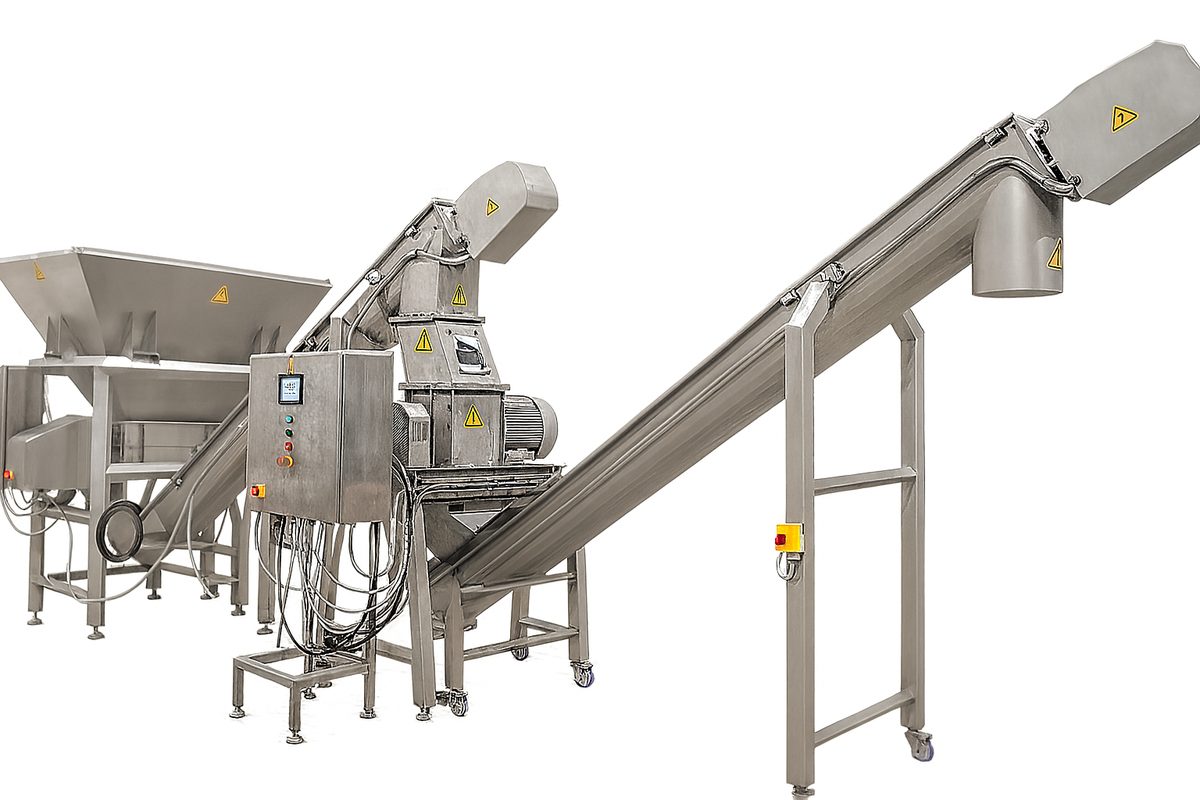
Once harvested, seaweed biomass undergoes primary processing to stabilize and prepare it for further use. This includes drying, handling, and storage.
Processing continues with extraction and separation techniques that isolate valuable compounds such as alginates, carrageenan, and bioactive molecules. Filtration, concentration, and formulation steps transform raw biomass into usable inputs for different industries.
This is where significant value is added, turning bulk biomass into standardized, market-ready materials.
Seaweed product streams
Seaweed can be transformed into a wide range of high-value products across several sectors.
Agriculture
Seaweed-based biostimulants are increasingly used to improve crop yields, enhance soil health, and increase resistance to environmental stress. Liquid seaweed extracts and kelp-based products are widely adopted as sustainable alternatives to synthetic inputs.
Food & feed ingredients
Seaweed-derived compounds such as alginates and carrageenan are used as stabilizers, thickeners, and functional ingredients. Seaweed also provides proteins, minerals, and nutritional benefits for both human consumption and animal feed.
Materials & bioplastics
Seaweed is gaining traction as a renewable raw material for sustainable materials — biodegradable packaging, seaweed-based films, and composite materials that can replace conventional plastics in certain use cases.
Cosmetics & health
Bioactive compounds such as fucoidan and polyphenols are widely used in skincare and wellness products, supporting hydration, anti-aging, and natural cosmetic formulations for clean-label demand.
Market impact and opportunities
The seaweed industry offers significant economic and environmental benefits. It supports local job creation, particularly in coastal communities, and enables the development of export-ready product lines.
From a sustainability perspective, seaweed contributes to carbon sequestration, reduces pressure on land-based resources, and supports circular bioeconomy models. As industries shift toward climate-positive solutions, seaweed-based value chains are becoming increasingly relevant.
Where we create value
We support partners in moving from raw seaweed biomass to market-ready products through strategy development, pilot projects, and scalable processing systems.
Our approach focuses on identifying high-value applications, optimizing processing pathways, and enabling commercialization. By bridging the gap between production and markets, we help unlock the full potential of seaweed as a resource.
Seaweed industry opportunities for investors and farmers
The seaweed sector presents strong growth potential driven by global trends in sustainability, food security, and bio-based innovation.
For farmers, seaweed cultivation offers a low-impact, scalable production model with increasing market demand. For investors, the industry provides opportunities across the entire value chain — from farming operations to processing technologies and product development.
As infrastructure and technology continue to improve, scalable seaweed value chains are expected to play a key role in the future of sustainable industries.
 01 — SeaValue CatalystFeasibility & value-chain design
 02 — BlueHarvest LaunchpadCommunity pilot with local processing
 03 — Ocean Circular HubModular processing hub at regional scale
Start with a clear strategy to unlock funding
Sirputis helps you move from concept to action — three phased programmes take a coast from feasibility study to a regional processing hub.
Part of the Sirputis industry development programmes
Related programmes: Seaweed Industry Scale-Up Programme, Seaweed Pilot Programme, Seaweed Value Chain Strategy Programme. See the full development programmes range, or how complete lines fit together in the modular seaweed biorefinery guide.
Explore the development programmes → Book a 20-minute programme call