
Hammerfest, Norway · 70.6° north · delivered by Sirputis
We build seaweed factories.
This one runs above the Arctic Circle.
Complete processing lines and modular biorefineries — engineered in Lithuania, commissioned where the seaweed is. Washing, pressing, drying, extraction. From single machines to full plants.
Request a budget quotation Book a 20-minute callDevelopment funder or coastal government? See the Coastal Community Programme →
From sea to product
The whole seaweed processing chain, engineered
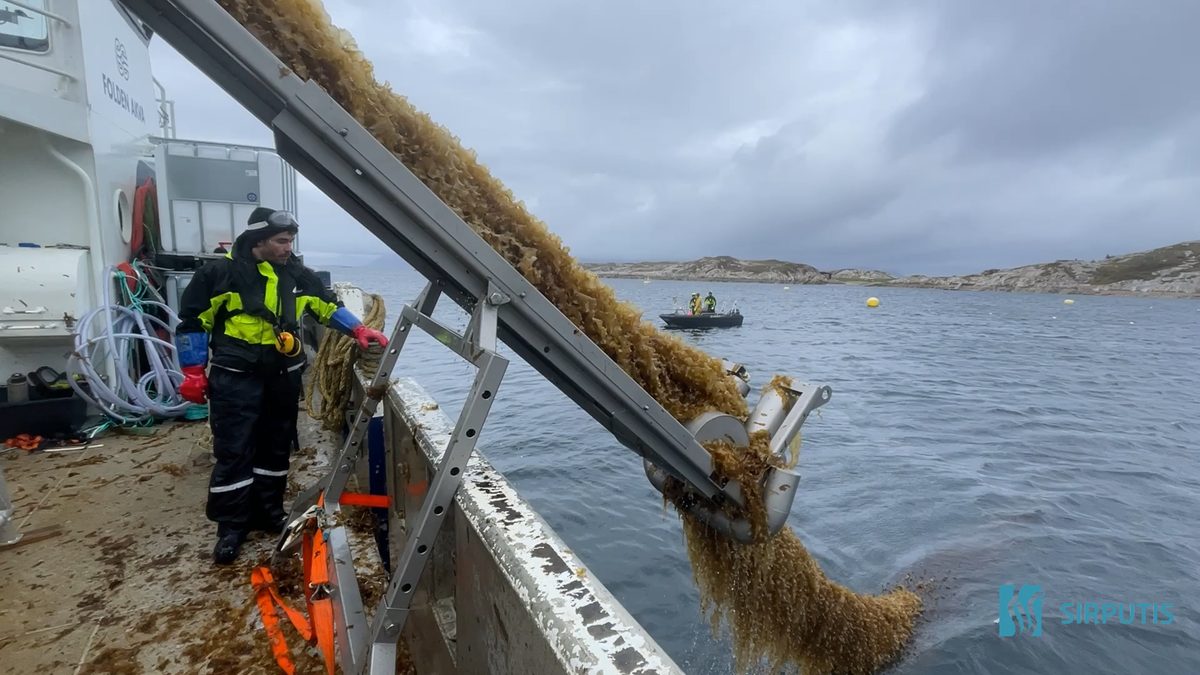
It starts wet, salty and in a hurry
Fresh seaweed degrades within 24–48 hours. Our seeding machines and harvest-side equipment — commercially tested in the EU SeaMark project — are built for that clock.
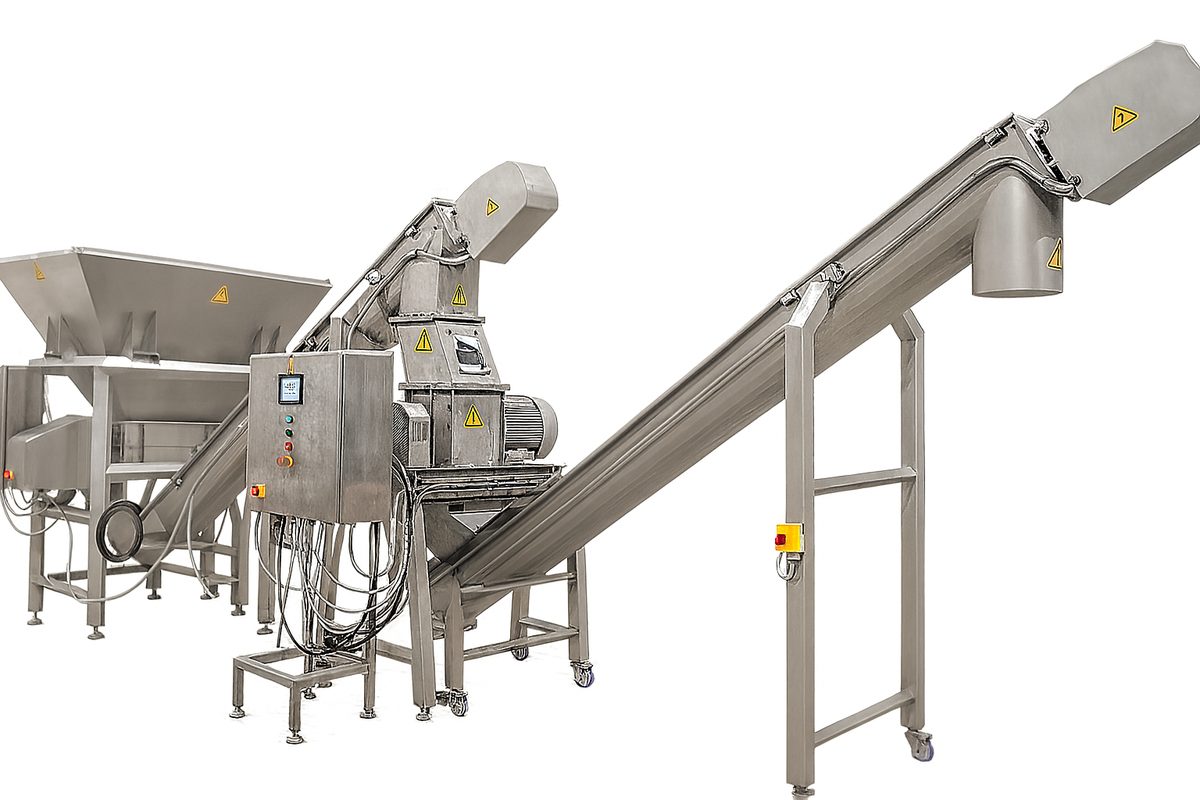
Modules that bolt together into a plant
Receival, washing and de-sanding, pressing, drying, milling, extraction — containerised, pre-integrated, commissioned by our own engineers. Each module is a standardised unit, engineered once and replicated site by site — configured to your feedstock, not re-engineered from scratch. Start at pilot scale; expand without rebuilding.
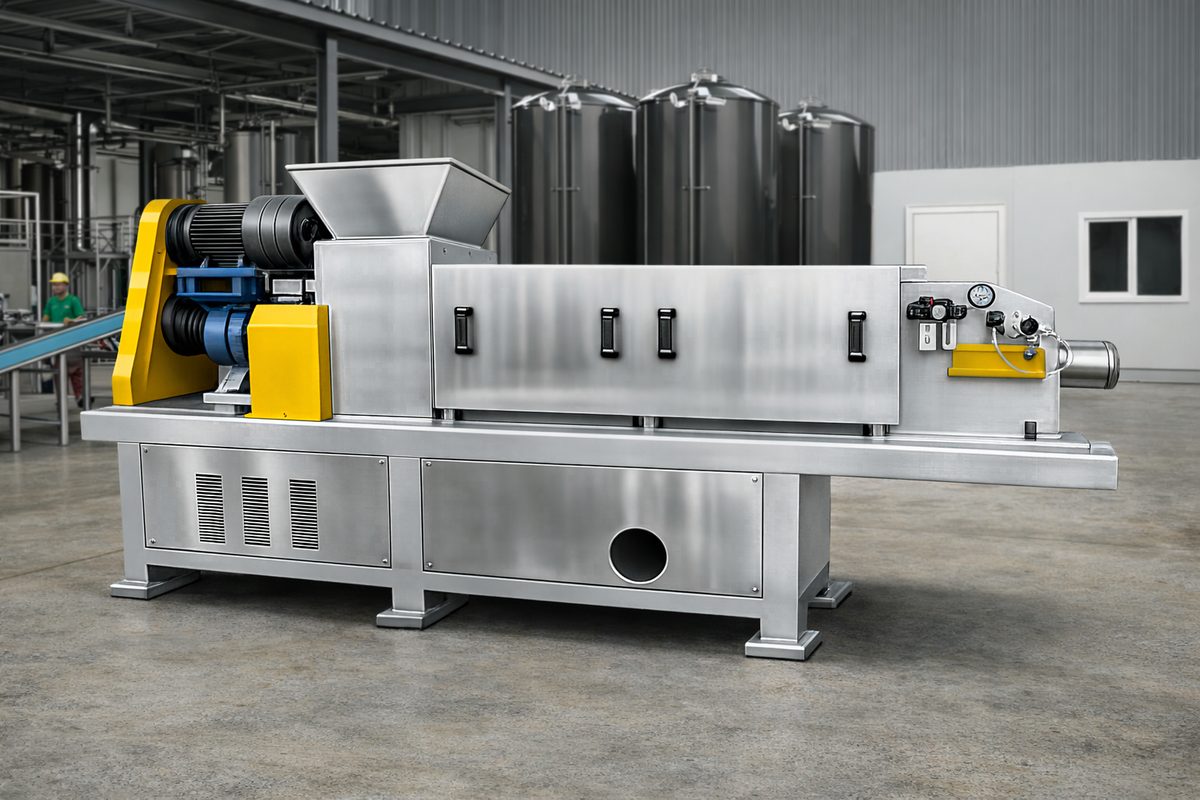
Designed backwards from what your market pays for
Alginate, biostimulants, dried seaweed, specialty extracts — the extraction train is engineered around your feedstock and product spec, not a machine catalogue.
Equipment
Seaweed processing equipment — single machines or the complete line
Every machine below is ours — designed, fabricated and automated in-house in stainless steel, with a granted patent on our seaweed harvester. Click through for specifications.

Seeding machines
3 km of grow line per hour — EU SeaMark proven.
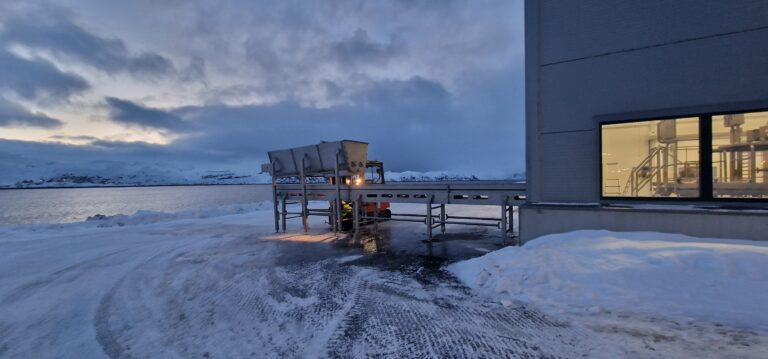
Harvest & receival
Conveyors and hoppers for wet, heterogeneous biomass.
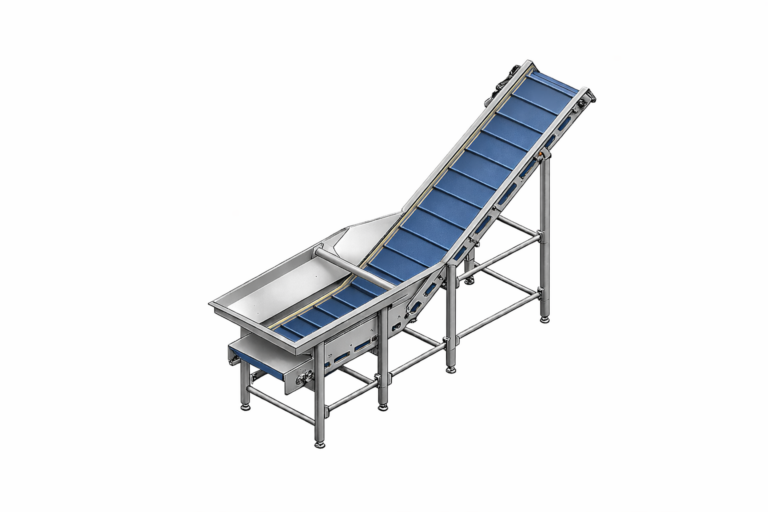
Washing & de-sanding
Recirculated freshwater; sand and stones out, fibre intact.
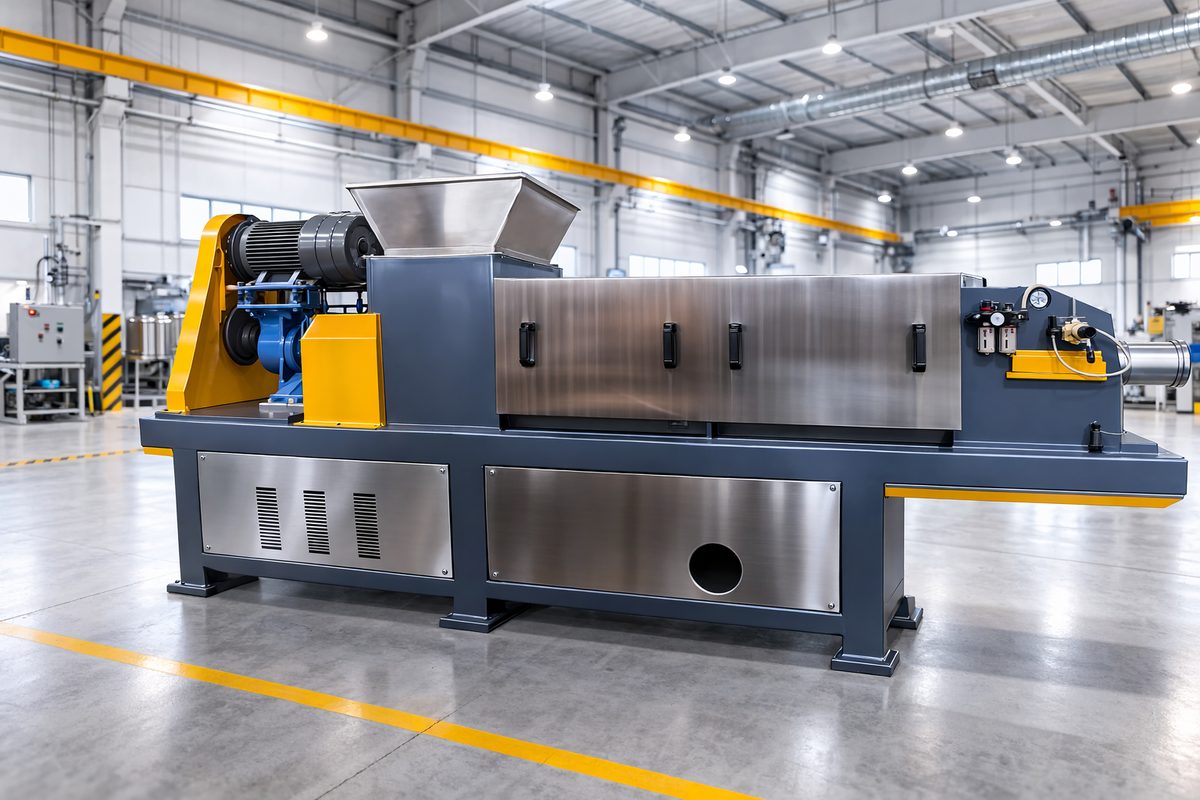
Screw presses
SP-series presses tuned to species and product path.
Drying & milling
Low-temperature drying and grinding that protect value.
Extraction & automation
Containerised Biostim 500 and Biostim 2000 extraction units — high-shear trains with in-house PLC/HMI control.
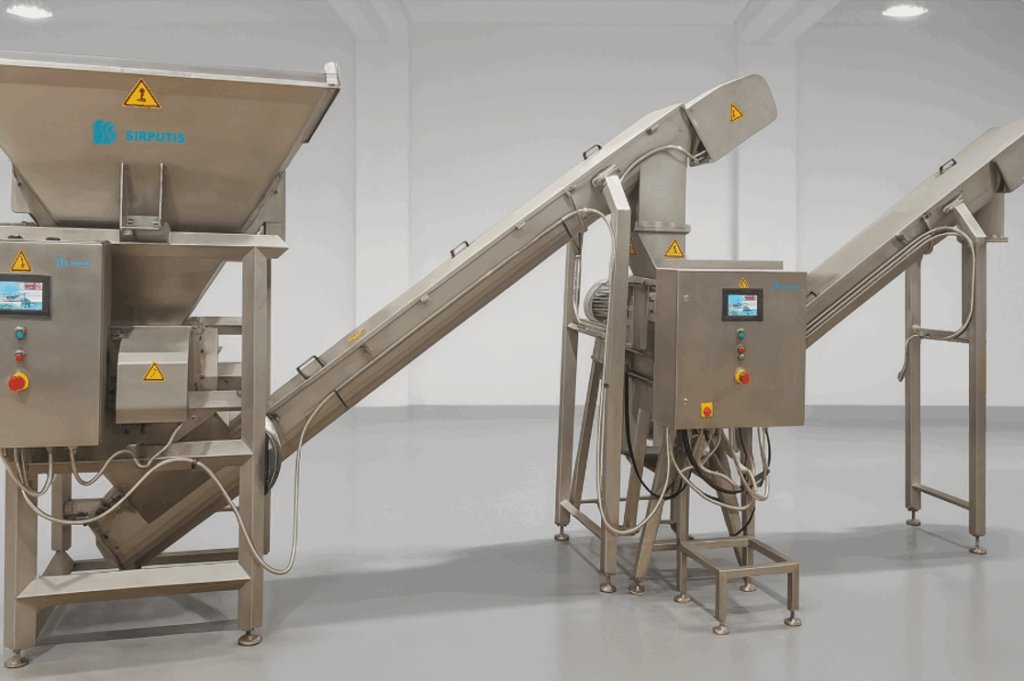
Shredding & grinding
Two-stage size reduction — even particle size into every next step.
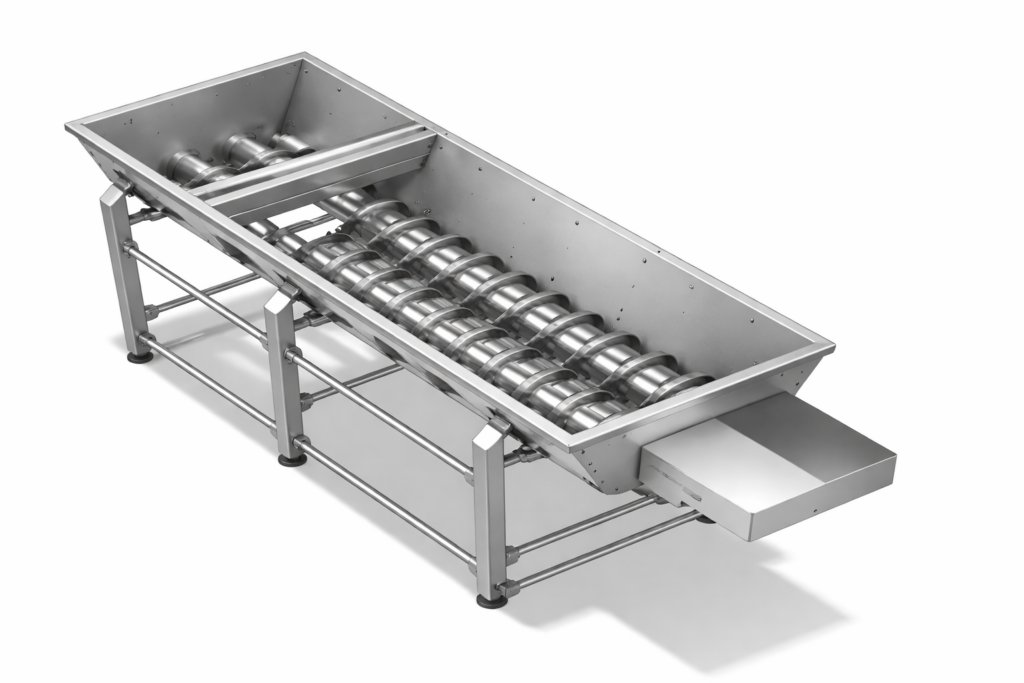
Feeders & dosing
Screw feeders, dosing and conveyors that keep the line in balance.
Our claim
The plant as a product.
Conventional hydrocolloid processing uses 15–30% of the seaweed it takes in and discards the rest. One-off, stick-built plants blow budgets and timelines. We replaced both with a standard: the Sirputis Standard Module — a 1 t/h reference design, fabricated in Šiauliai, deployed in months, engineered so every stream leaves as a product.
Utilisation figures: Liu et al. 2024, Compr. Rev. Food Sci. Food Saf. (15–30% used, 70–85% discarded). How it is engineered in → · Reference plants & projects →
Sirputis Coastal Community Programme
Where seaweed grows, industry can too
Beyond single plants, Sirputis builds development programmes with coastal communities, governments and funders — turning local seaweed into local processing jobs and export products.
- Containerised preprocessing at the landing site — so first processing, and its margin, stay in the community, inside the 24–48 h freshness window
- Programmes structured for development finance — designed to fit NORAD, World Bank and EU blue-economy instruments
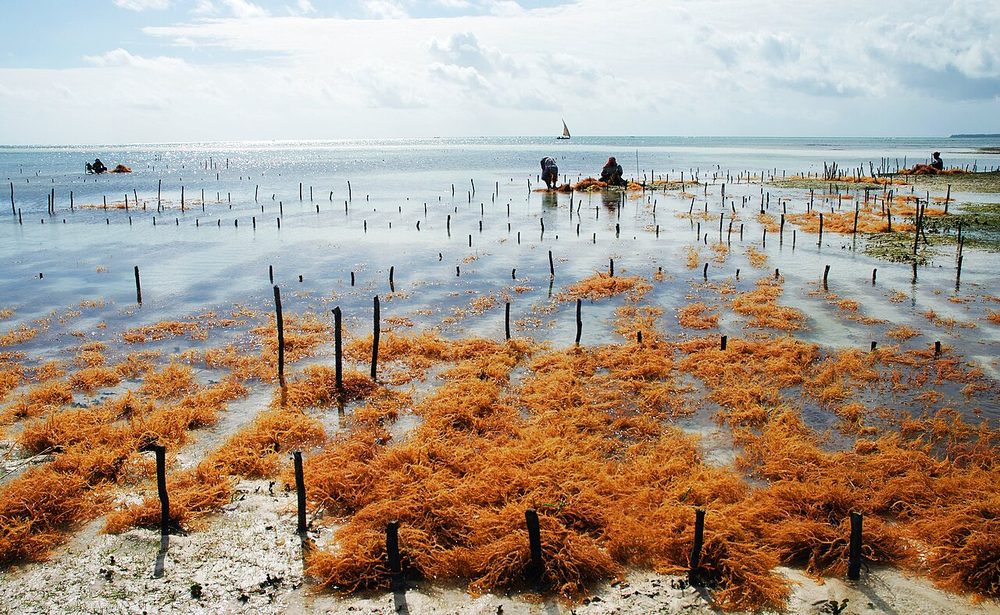
- Commissioning and operator training built with the people who farm the seaweed — from Zanzibar to Indonesia, largely women
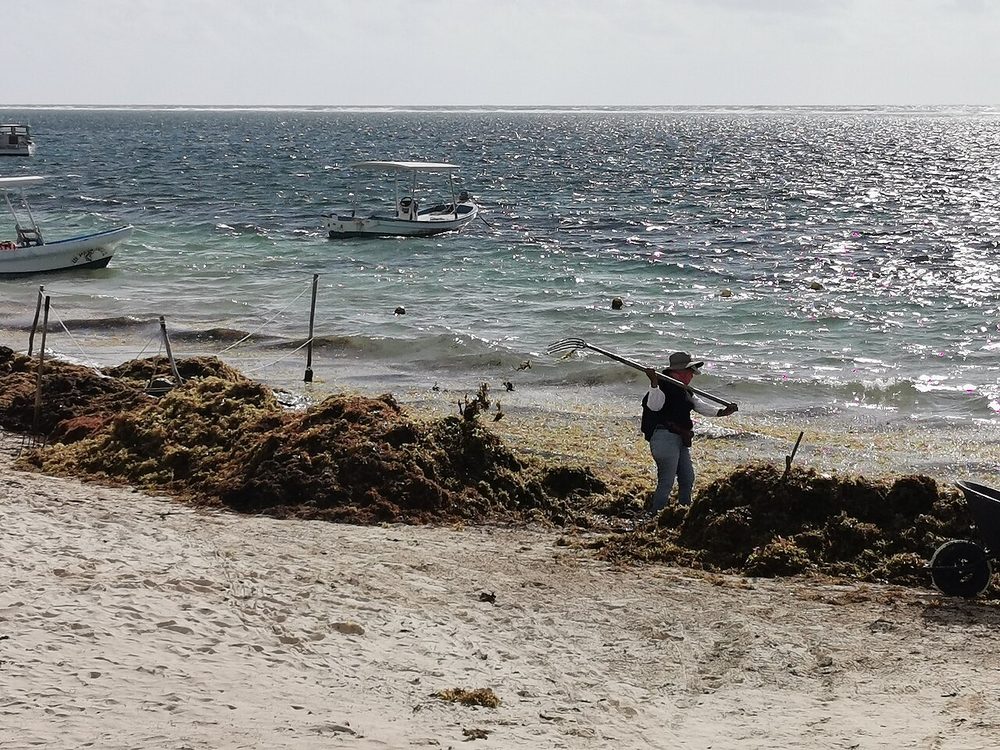
- Active programme dialogues in Southeast Asia, East Africa, the Caribbean and Latin America
The model is simple. Development finance pays for the plant. The community — or a local operator — owns it and runs it. Sirputis designs it, builds it, trains the team, and stays on for support.
Explore the development programmes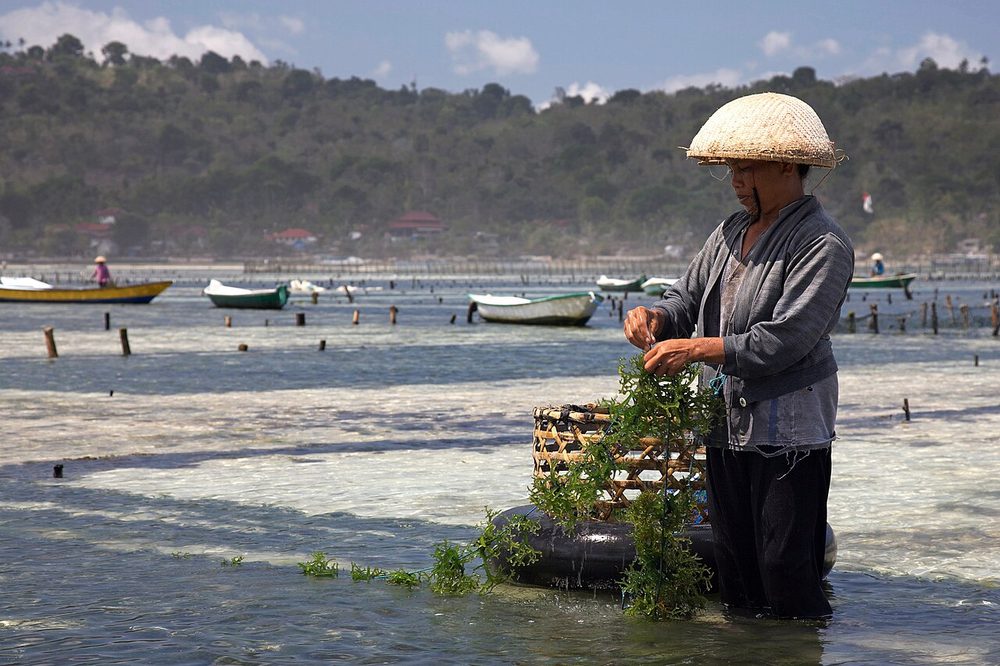
Configure
Assemble your seaweed biorefinery, module by module
Toggle the blocks your project needs — then let our engineers price the configuration.
Beyond equipment
Partners, funders & investors
Sirputis builds and delivers standardised seaweed-processing plants — and works with the organisations scaling this industry: strategic and financial investors, development funders, and coastal-programme owners. If that is you, talk to us directly — no RFQ form needed.
Book an introduction call info@sirputis.comStart here: invest in seaweed processing → · reference plants & funded projects → · sustainability & SDG impact → · about Sirputis →
Planning a plant? Start with engineering.
Feedstock, volume and target products in — indicative process flow, footprint, utilities and an itemised budget quotation out. First reply within one business day.
Request a budget quotation Book a callDevelopment funders and coastal governments: start with the Coastal Community Programme →