
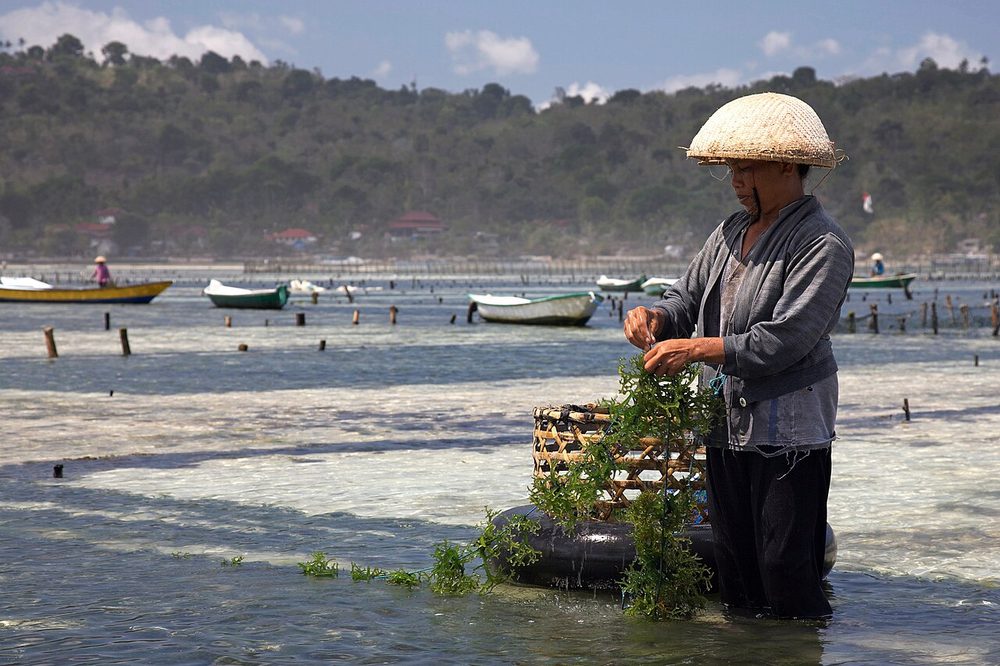
 Photo: Nusa Lembongan, Indonesia (CC BY)
Programme 01 · Governments, donors & coastal communities
01 — SeaValue Catalyst
Feasibility & value-chain design — a clear, fundable seaweed project concept for your coast.
€9k–15k · 4–8 weeks
At this stage, Sirputis acts as a strategic and technical partner, helping clients shape clear, fundable, and actionable project concepts.
 01 — SeaValue CatalystFeasibility & value-chain design
 02 — BlueHarvest LaunchpadCommunity pilot with local processing
 03 — Ocean Circular HubModular processing hub at regional scale
What we do
- Assess market demand, pricing, and regulatory conditions
- Map the full value chain (cultivation → processing → markets) for a target geography
- Identify and engage key stakeholders and partners across the ecosystem
- Develop 2–3 locally adapted value chain and business scenarios
- Conduct pre-feasibility and risk assessments (technical, financial, operational)
- Define optimal species, cultivation, and processing pathways
- Build a phased implementation roadmap and action plan with investment needs
- Prepare donor- and investor-ready concept materials (concept note or pitch deck)
- Support structured go/no-go decision-making and recommendations
Why Sirputis
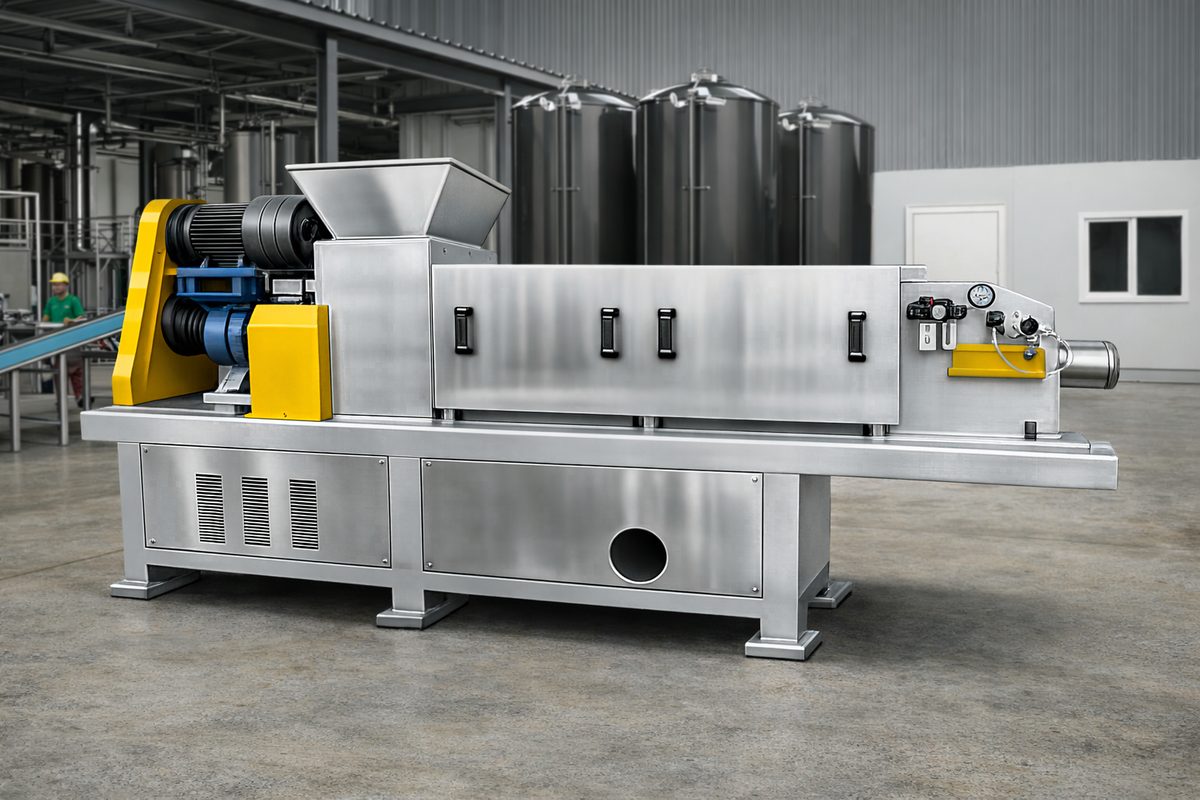
Engineers, not consultants
We build the equipment we specify — feasibility grounded in machines we manufacture ourselves.
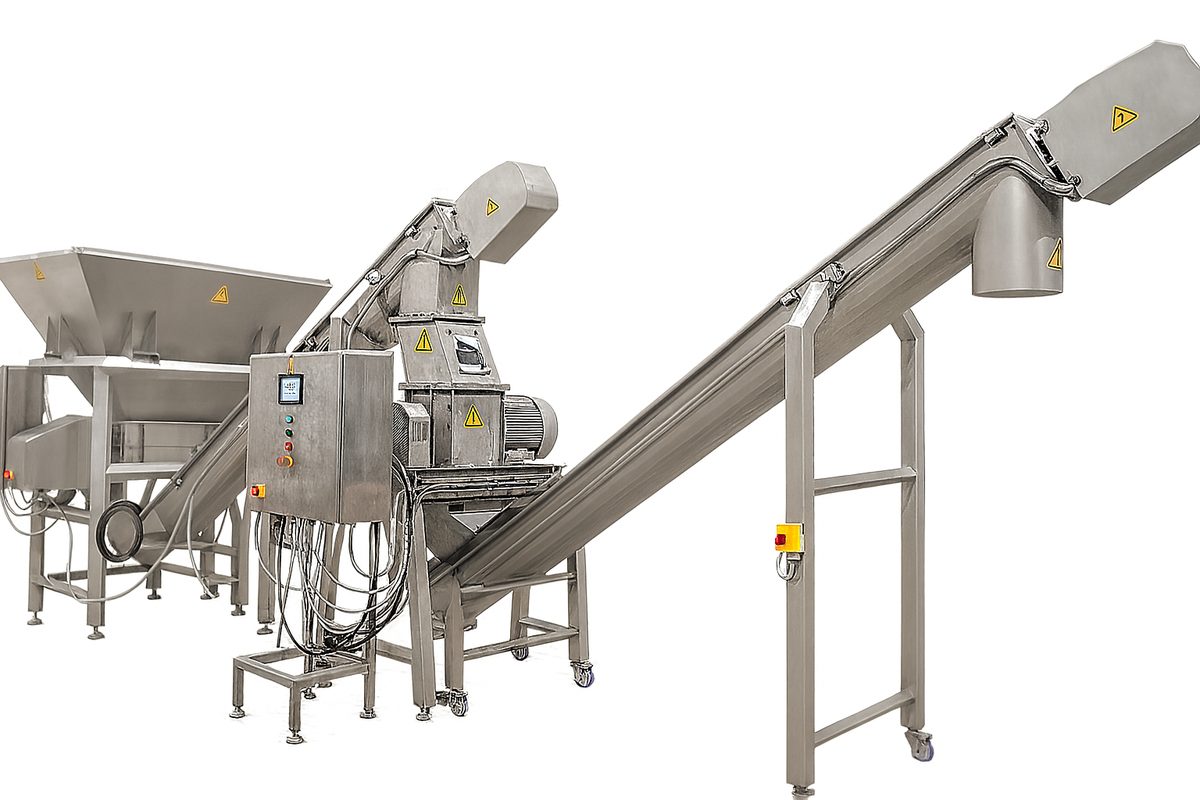
Complete-line experience
From harvest logistics to finished-product lines, we design the whole chain — including the 6,000 t/y plant we delivered in Arctic Norway.
Donor-ready outputs
Concept notes and pitch material structured for NORAD, World Bank and EU funding instruments.
Sized within the resource
01 · Standing biomass
What the coast holds — surveyed or modelled per site and species. Example: Norway's Laminaria hyperborea forests ≈ 60 million tonnes.
02 · Sustainable harvest
The fraction that can be taken with regrowth intact. Example: 150–180 kt/year in Norway, 0.25–0.30% of the stock, fields regrown in 3–5 years.
03 · What the plant takes
Programme capacity is set inside line 02, never above it. Example: a 6,000 t/y plant fed entirely from that harvest would take 3.3–4% of it.
Every programme is capacity-matched to the resource assessment before a machine is specified — the Sirputis biorefinery design tool computes these three lines per site. Sources: Vea & Ask 2011, J. Appl. Phycol.; Norwegian Blue Forests Network kelp brief. Full worked example →
Client outcome
✔ Clear, realistic, fundable project concept✔ Defined next steps toward implementation
Working with development finance?
Start with a clear strategy to unlock funding and reduce implementation risk — fundable concept notes ready for donor scoping.
Our programmes are structured for donor procurement, state aid and blended finance — designed to fit NORAD, World Bank and EU instruments.
Part of the Sirputis industry development programmes
Related programmes: Seaweed Value Chain: From Farming to Market Opportunities, Seaweed Industry Scale-Up Programme, Seaweed Pilot Programme. See the full development programmes range, or how complete lines fit together in the modular seaweed biorefinery guide.
Explore the development programmes → Book a 20-minute programme call